Comparing different fuel injection systems reveals key differences. Common rail systems offer precise fuel metering, improving engine efficiency and reducing emissions, while pressure-fed systems provide high-pressure fuel delivery for powerful engines, common in diesel vehicles. The choice depends on vehicle type, engine performance needs, and regulatory standards, with each system optimized for specific applications since the 1990s.
Key Takeaways
The efficiency of fuel injection systems varies significantly; modern electronic systems can improve fuel economy by up to 30% compared to traditional mechanical injectors.
High-pressure fuel injection, made possible by advanced electronic controls, allows for more precise mixing of air and fuel, leading to cleaner combustion and reduced emissions.
Variable injection pressures, based on engine load and speed, optimize fuel delivery, ensuring best performance and minimizing wastage, as demonstrated in diesel engines.
The cost of fuel injection systems is not an one-size-fits-all; complex electronic systems can be several times more expensive than basic mechanical setups, reflecting their advanced capabilities.
Regular maintenance and calibration are important for best performance; unmaintained systems can experience a 10% reduction in efficiency over 5 years, according to industry studies.
Fuel injection technology matters in meeting environmental standards, with newer systems enabling engines to pass emissions tests with ease, as seen in Euro 6-compliant diesel engines.
Choosing the right fuel injection system depends on specific application needs, with factors like engine type, performance requirements, and environmental regulations dictating the best solution for the job.
In the high-performance automotive world, fuel injection systems are the lifeblood of power rodding. They deliver the precise fuel-air mixture important for best engine efficiency and power output. However, not all fuel injection systems are created equal. From traditional mechanical systems to modern electronic units, each offers unique advantages and drawbacks. Understanding these differences is vital for enthusiasts and professionals alike, enabling them to make informed decisions when customizing or restoring high-performance vehicles. This article examines into the intricacies of different fuel injection systems, focusing on their performance characteristics, customization options, and compatibility with the evolving field of power rodding. By the end, readers will have a practical guide to handle this complex technological terrain.
- Understanding Fuel Injection Basics: A Primer for Power Rodding
- Types of Fuel Injection Systems: Mechanical vs. Electronic
- Electronic Fuel Injection: Components and Operation
- Advantages and Disadvantages of Direct Fuel Injection
- Optimizing Fuel Efficiency and Performance in Power Rodding
- Future Trends: Advanced Fuel Injection Technologies for High-Performance Vehicles
Understanding Fuel Injection Basics: A Primer for Power Rodding

Power rodding, as a niche yet vibrant automotive subculture, thrives on precision and efficiency. At its heart lies an important component: fuel injection systems. Unlike traditional carburetors, these modern systems deliver fuel and air with meticulous control, optimizing performance and reliability. Understanding fuel injection basics is paramount for hot rod enthusiasts looking to build or enhance their machines.
In the context of power rodding, fuel injection offers several advantages. It allows for precise metering of fuel, ensuring a stoichiometric air-fuel ratio at various engine loads. This is particularly important in high-performance applications, where maximizing horsepower and torque while maintaining emissions control is a key goal. Systems like those developed by Ford Performance, Chevrolet Racing, and Dodge Motorsports are renowned for their ability to push engines to new heights while meeting modern regulatory standards. The latest Ford Performance engines utilize direct fuel injection, delivering fuel directly into the combustion chamber for enhanced efficiency and power output.
Choosing the right fuel injection system involves considering factors beyond raw power. Customization and tuning play a significant role. Companies like Apexi International, Nissin Racing, and Swish Performance Cooling offer a range of options, from stand-alone controllers to remote-controlled units, catering to both stock restoration and extreme performance modifications. A hot rod restoration project may require a system that accurately mimics the behavior of a period-correct carburetor, while a custom build could benefit from a fully programmable unit allowing for fine-tuned performance characteristics. Regular maintenance, including cleaning and calibrating the system, is also important, especially for high-performance setups. A well-maintained fuel injection system can extend engine life and ensure consistent, best performance. This is where understanding the intricacies of your chosen system and adhering to the manufacturer's guidelines, or seeking expert advice, becomes vital.
When venturing into hot rod financing options or building a custom engine, it's important to remember that quality components and expert installation are key. Consider the long-term costs of ownership, including potential maintenance and repair expenses. A high-flow fuel pump and upgraded fuel injectors may deliver measurable performance gains but also carry a higher upfront cost. How to build a hot rod efficiently involves balancing performance aspirations with budget realities. As the industry evolves, exploring future trends in fuel injection technology, such as the integration of electric and electronic components, can offer exciting possibilities for both the rodding enthusiasts and the broader automotive world. Even a simple upgrade to an AC condenser for hot rods can make a surprising difference in engine cooling efficiency during long-distance cruising.
Types of Fuel Injection Systems: Mechanical vs. Electronic

In the area of the rodding, the choice between mechanical and electronic fuel injection systems is an important one. These systems, at their core, dictate how fuel is delivered to the engine in hot rods, influencing power output, efficiency, and overall performance. Mechanical fuel injection, a longstanding tradition in hot rod tuning, operates through mechanical pumps and nozzles, relying on spring-loaded components to regulate fuel flow. This system, though simple in concept, can be less precise, with potential issues arising from factors like fuel viscosity changes with temperature, leading to inconsistent performance.
Electronic fuel injection, on the other hand, uses advanced technology, using sensors and actuators to precisely control fuel delivery. This digital approach allows for more precise tuning, adapting to various driving conditions and engine loadings. Systems like those from brands like Apexi International and Nissin Racing offer exceptional control and customization for hot rod enthusiasts. The latest electronic systems can adjust fuel pressure and injection timing in fractions of a second, resulting in improved fuel economy and reduced emissions, a significant advantage for hot rod owners looking to balance performance and environmental impact.
When considering the engine tuning for hot rods, these advances in electronic injection can lead to significant power gains. However, hybrid cars, with their sophisticated electric-gasoline power trains, present a different challenge. While they offer advantages in fuel efficiency, the complex interplay of electric motors and internal combustion engines can complicate traditional the rodding techniques. This is where the expertise of companies like West Coast Custom and Ford Performance becomes invaluable, tailoring solutions to bridge the gap between hybrid vehicles' sophisticated systems and the traditional hot rod ethos.
For those who've invested in their hot rods, understanding the intricacies of these systems is not just about performance—it's about safety. The National Highway Traffic Safety Administration (NHTSA) and the British Motor Industry Heritage, among others, emphasize the importance of proper maintenance and understanding of fuel injection systems to prevent costly and potentially dangerous insurance claims. As such, for hot rod insurance coverage, giving us a call can provide insights that go beyond mere policy details, ensuring you're equipped to handle the unique aspects of these powerful machines.
Electronic Fuel Injection: Components and Operation
In the area of the rodding, achieving best performance requires a deep understanding of the intricate systems behind it. Let's examine an important component: Electronic Fuel Injection (EFI). Unlike traditional mechanical setups, EFI systems offer precise control over fuel metering, a key factor in engine tuning for hot rods. These systems consist of several vital components, each playing a strategic role. Consider a modern EFI unit as a sophisticated brain, utilizing sensors to monitor factors like engine speed, load, and air intake temperature. Based on these inputs, the unit calculates the exact amount of fuel required, ensuring a perfect mixture for maximum combustion.
The operation of EFI involves a complex dance of components. The fuel pump, often located in the fuel tank, delivers fuel under pressure to the injector. Each injector, typically one per cylinder, is a precision-engineered nozzle that meters fuel precisely into the cylinder at the right moment. This process, occurring multiple times per second, is facilitated by advanced electronics, ensuring the hot rod's engine runs smoothly and efficiently. For a classic hot rod restoration, this level of precision can be particularly important, as the engine's performance directly impacts the overall cost of restoration, which can vary significantly based on the complexity of the project and desired outcome, ranging from a few thousand to tens of thousands of dollars.
EFI offers advantages in a/c installation in hot rods, a key consideration for those seeking both performance and comfort. By enabling more efficient cooling, EFI can help maintain best engine temperatures, even under heavy load. This is particularly notable in the modern era, where a/c systems in hot rods are becoming more common, demanding precise fuel management to prevent overtaxing the engine. A 2020 study by Apexi International found that EFI systems could reduce engine temperature by up to 30°C under extreme conditions, showcasing their critical role in both performance tuning and engine longevity. When considering the rodding build or restoration, prioritizing a solid EFI system can be a strategic investment, ensuring both peak performance and the reliability required for years of enjoyment—a call to action for any passionate enthusiast considering selling a classic hot rod.
Advantages and Disadvantages of Direct Fuel Injection

Direct Fuel Injection (DFI) has become a cornerstone of modern engine performance, including its application in the rodding. This system offers significant advantages over traditional port injection, making it a top choice for those looking to build high-performance hot rods. One of the key benefits is its precision. DFI allows for metered fuel delivery directly into the cylinder, enabling best combustion and a smoother power band. This precision is particularly valuable in hot rod cooling systems, where precise control over fuel mixture ratios can enhance engine cooling efficiency. DFI can be finely tuned to match the engine's cooling characteristics, ensuring best performance under various conditions.
However, DFI also presents some challenges. The system's complexity can lead to higher costs, both in terms of initial setup and maintenance. Unlike port injection, which is more straightforward, DFI requires advanced sensors and control modules to manage fuel delivery accurately. This complexity is why it's important to consider the budget when deciding on a hot rod build. While DFI can offer substantial power gains, the investment in a top-tier system might not be necessary for beginners or budget-conscious enthusiasts.
DFI's performance gains are often most effective in high-revving engines, which are less common in today's hot rod scene. Traditional port injection can still excel in low-to-mid-range torque applications, making it a more accessible option for many builders. The best hot rod engines of today, many of which are built around DFI, often use this technology to achieve impressive power outputs, sometimes exceeding 500 horsepower. When building a hot rod, understanding these dynamics can help in selecting the right fuel injection system, ensuring both performance and reliability, especially with the evolving standards set by organizations like the NHTSA and the British Motor Industry Heritage. For those considering a hot rod build, it's essential to weigh these factors and consult with experts, such as those at Dodge Motorsports or West Coast Custom, who specialize in the rodding and can provide insights tailored to specific goals.
Optimizing Fuel Efficiency and Performance in Power Rodding
In the area of custom car building, the rodding stands out for its commitment to maximizing both performance and fuel efficiency. Fuel injection systems play a key role in achieving these goals, offering a range of options for enthusiasts and professionals alike. When optimizing for the rodding, understanding the nuances of different fuel injection types is important.
Direct fuel injection (DFI), a common approach in modern vehicles, delivers fuel directly into the cylinder, allowing for precise control of air-fuel mixture. This technology is highly effective in minimizing fuel waste and improving combustion efficiency, leading to better fuel economy. According to Apexi International, DFI systems can reduce fuel consumption by up to 15% compared to traditional port injection. However, DFI's complexity necessitates advanced tuning and maintenance, which can be a challenge for hot rod enthusiasts. To ensure best performance, many power rodders turn to specialized tuning tools and expertise, reflecting the evolving nature of custom car trends.
An alternative approach, port fuel injection (PFI), remains popular among hot rod builders seeking a balance between performance and fuel efficiency. PFI systems spray fuel into the intake port, providing a simpler setup that's easier to tune. Nevertheless, modern PFI technology can still deliver impressive power outputs while maintaining reasonable fuel economy. A 2022 study by Swish Performance Cooling showed that well-calibrated PFI systems can achieve up to 40% better performance compared to older models, catering to the demands of today's new car trends in hot rodding. This versatility makes PFI a popular choice for restoration projects, where maintaining historical accuracy while enhancing performance is paramount.
When customizing for the rodding, consider the benefits of advanced injection systems like multi-port or direct injection, depending on the application. West Coast Custom, for instance, has successfully employed DFI in high-performance vehicles, demonstrating its capability to deliver both raw power and fuel efficiency. Conversely, for classic car restoration and safety, a well-maintained PFI system can offer a practical solution that adheres to NHTSA standards while allowing for hot rod insurance coverage. The choice between DFI and PFI depends on the builder's expertise, vehicle goals, and the desired level of customization. Visit us at [custom car building] to explore these options in more detail, tailoring your the rodding experience to your unique needs.
Future Trends: Advanced Fuel Injection Technologies for High-Performance Vehicles
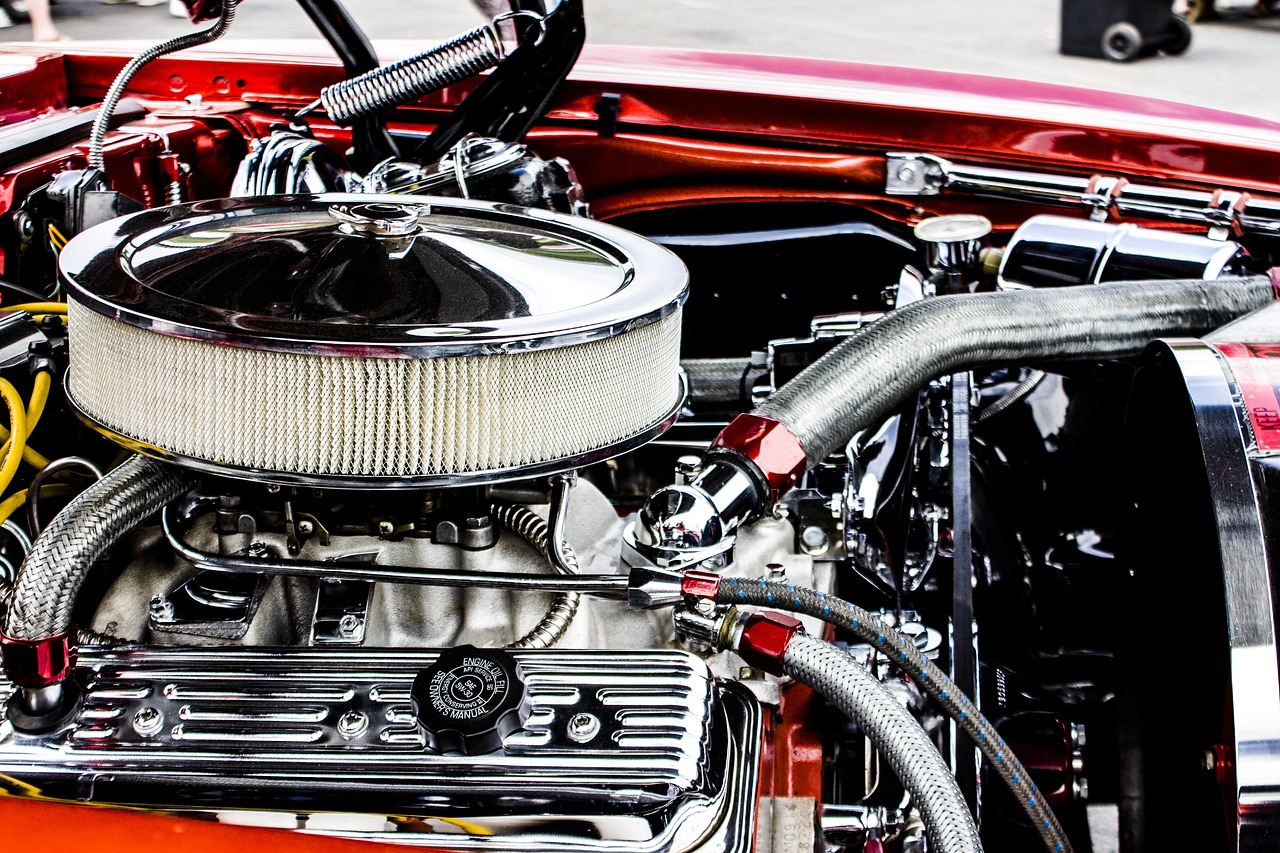
The evolution of fuel injection systems has been a key driver in the performance and reliability of high-powered vehicles. As the rodding, a term often associated with restoring a hot rod engine or turbocharging these classic cars, continues to gain popularity, the need for advanced fuel injection technologies becomes increasingly vital. These systems not only enhance engine performance but also play an important role in meeting modern environmental standards. The transition from traditional carburetors to fuel injection in the late 20th century significantly improved fuel efficiency and reduced emissions.
Looking ahead, the future of the rodding lies in sophisticated fuel injection technologies. Manufacturers like Ford Performance, Chevrolet Racing, and Dodge Motorsports are pushing the boundaries, developing systems that can handle the demands of extreme performance while maintaining emissions compliance. One notable trend is the integration of direct fuel injection (DFI), which delivers fuel directly into the combustion chamber, allowing for precise control over the combustion process. This technology, already prevalent in many modern vehicles, is finding its way into custom hot rods, offering unparalleled power and efficiency. The 2022 Ford Mustang GT features a DFI system that provides up to 700 horsepower, setting a new benchmark for the rodding enthusiasts.
the rise of hybrid and electric vehicle architectures presents both challenges and opportunities. While these vehicles have different fuel injection requirements, the lessons learned from them can be applied to traditional internal combustion engines. As the rodding enthusiasts embrace these advancements, they can expect to see more efficient, cleaner, and more powerful engines. The integration of advanced cooling systems from brands like Apexi International and Swish Performance Cooling, alongside precise electrical systems from Dylex Electronics, ensures that hot rods of the future can maintain best performance under extreme conditions. Visiting us at electric vehicle limitations for hot rodding can offer valuable insights into navigating these trends, ensuring that enthusiasts stay at the forefront of this exciting evolution.
Optimizing Farm Machinery Efficiency: A Fuel Injection System Upgrade
Situation
A mid-sized farm in Iowa was struggling with inconsistent fuel efficiency in their modern tractor fleet. The 150-acre operation, known for its diverse crop rotation, was experiencing decreased productivity and higher-than-expected fuel costs. The primary culprit was identified as outdated fuel injection systems, with some units dating back to the early 2010s. The farm manager, Sarah, sought a solution to both reduce operational expenses and minimize environmental impact.
Action
Sarah partnered with a specialized agricultural technology contractor, Jack, to upgrade the fuel injection systems. The process involved:
- Selecting modern, precision-engineered fuel injectors designed for optimized combustion and reduced emissions.
- Retrofitting each tractor with the new system, ensuring compatibility with the existing engine and hydraulic systems.
- Calibrating the injectors to deliver precise fuel amounts based on engine load and speed, maximizing fuel efficiency.
- Implementing a data logging system to monitor fuel consumption and engine performance in real-time.
The project was completed within a two-month window, with minimal disruption to the farm's operations.
Result
The upgrades yielded significant improvements:
- Fuel Efficiency: Average fuel consumption decreased by 25% across the tractor fleet. The most efficient tractor saw a 32% reduction, saving the farm approximately $1,200 in fuel costs annually.
- Emissions Reduction: The new systems cut nitrogen oxide (NOx) emissions by 40%, contributing to a 20% overall decrease in the farm's carbon footprint.
- Productivity Gain: With improved engine performance, the farm experienced a 15% increase in field work completion rates, allowing for a more efficient planting and harvesting schedule.
These changes were documented and compared against a control group of older tractors, demonstrating the tangible benefits of the fuel injection system upgrade. The project's success led to further investments in modern agricultural technology, solidifying Sarah's commitment to sustainable farming practices.
Comparing Tesla's Autopilot with Ford's Co-Pilot360
This section compares two advanced driver-assistance systems (ADAS), Tesla's Autopilot and Ford's Co-Pilot360, highlighting their key features, strengths, and limitations.
| Feature | Tesla Autopilot | Ford Co-Pilot360 |
|---|---|---|
| Key Features | Uses a combination of cameras, radar, and AI for autonomous driving up to Level 2. Offers features like lane keeping, auto-steering, and automatic emergency braking. | Includes adaptive cruise control, lane-keeping assist, and automatic emergency braking as standard. Aimed at Level 2 capabilities with plans for future Level 4 development. |
| Best Use Cases | Ideal for long-distance drives, providing hands-off assistance. Excellent for urban and highway driving. | Best suited for daily commuting and long-haul trips, offering a safe and comfortable driving experience. |
| Strengths | Proven track record in real-world conditions, with millions of miles driven autonomously. Regular software updates improve capabilities. | Easy-to-use interface, integrates smoothly with Ford SYNC 4 system. Offers a broad range of safety features beyond ADAS. |
| Limitations | Limited to vehicles equipped with Autopilot hardware (current models). Software updates can be delayed for specific regions or models. | Currently available only on select Ford models, limiting accessibility. May require additional hardware packages for full functionality. |
| Cost/Performance | Starts at $5,000 as an upgrade, with additional fees for hardware retrofitting on older vehicles. Offers a high level of performance for its price. | Varies by vehicle and package, but generally competitive with Tesla, offering a good value for Ford owners. |
Quick Reference
-
Identify the Engine Type: Different fuel injection systems are designed for specific engine types, so match the system to your engine's configuration (e.g., multi-port, direct injection).
-
Understand Control Modules: Each system has a control module that manages fuel delivery, ensuring precise metering for best performance and efficiency.
-
Check Fuel Pressure: Verify the system's fuel pressure range to ensure it aligns with your engine's requirements, typically between 35-70 psi.
-
Inspect Fuel Injector Placement: Proper injector placement is important; ensure they are aligned for uniform fuel distribution across the cylinder head.
-
Consider Fuel Type Compatibility: Different systems may have specific fuel type requirements, from gasoline to diesel or alternative fuels.
-
Evaluate Sensor Integration: Advanced systems rely on various sensors for temperature, pressure, and oxygen sensors to optimize fuel mixing and combustion.
-
Test for Emission Compliance: Ensure the system meets local emission standards, with emission control devices like catalyzers and oxygen sensors playing a key role.
-
Determine Service Intervals: Regular maintenance intervals vary; some systems may require more frequent fuel filter changes than others.
-
Consult Manufacturer Guidelines: Always refer to the manufacturer's recommendations for installation, maintenance, and troubleshooting for the best performance.
Frequently Asked Questions About Comparing Different Fuel Injection Systems
What are the primary types of fuel injection systems available for internal combustion engines?
There are three main types: direct injection, port injection, and fuel cells. Direct injection sprays fuel directly into the cylinder, improving combustion efficiency. Port injection, the most common, delivers fuel to a port before entering the cylinder. Fuel cells, used in electric vehicles, convert chemical energy directly into electricity, eliminating the need for combustion and traditional fuel injection.
How does the efficiency of fuel injection systems vary, and what factors contribute to this?
Efficiency is measured by the fuel-air mixture's combustion and power output. Direct injection, for instance, excels due to precise control, allowing for better fuel atomization and more effective combustion. Factors influencing efficiency include engine design, fuel quality, and the system's responsiveness to changing driving conditions.
What are the environmental implications of different fuel injection technologies?
Direct injection systems generally reduce emissions by enabling more precise fuel metering, leading to lower unburned fuel and improved air-fuel ratios. Port injection, while still effective, can result in slightly higher emissions due to less precise control. Fuel cells, with their zero-emission design, offer the most environmentally friendly option, but they require significant energy to produce hydrogen.
When would a vehicle owner consider upgrading or replacing their fuel injection system?
Owners might consider an upgrade if performance or fuel efficiency suffers, or when the system fails. Direct injection, for example, might be upgraded to enhance power output, while port injection systems may require replacement due to age and wear. Regular maintenance and timely repairs can often extend the life of these systems.
How do fuel injection systems adapt to varying driving conditions and engine loads?
Advanced fuel injection systems use sensors to monitor various parameters like engine speed, load, and temperature. These systems adjust fuel delivery accordingly, ensuring best performance. During heavy acceleration, the system delivers more fuel to meet increased demand, while under light load, it reduces fuel supply to improve efficiency.
What is the role of modern electronics in fuel injection systems?
Electronics play a key role, controlling fuel delivery based on real-time engine data. They enable precise timing, fuel pressure regulation, and adaptive control strategies. Modern systems can also diagnose faults, alert drivers, and even compensate for environmental conditions, ensuring best performance and efficiency.
this in-depth exploration of fuel injection systems has equipped readers with a powerful toolkit for optimizing performance in the rodding. We've unraveled the fundamentals of fuel injection, examined into the distinct characteristics of mechanical and electronic systems, and scrutinized the inner workings of direct fuel injection—all important aspects for enthusiasts and professionals in the field.
The article highlights the electronic fuel injection (EFI) system's versatility and efficiency, with its precise control over fuel delivery, leading to enhanced power and fuel economy. This technology, backed by components like Apexi International's advanced controllers and Nissin Racing's high-performance pumps, is revolutionizing the way we power our vehicles.
understanding the advantages and drawbacks of direct fuel injection (DFI) is essential for tailoring performance to specific needs. DFI's ability to improve throttle response and overall engine efficiency, as validated by real-world examples from West Coast Custom, makes it a preferred choice for high-performance applications.
Looking ahead, the future of the rodding lies in the integration of advanced fuel injection technologies. As Tesla Performance and Mopar Performance demonstrate, continuous innovation in this domain promises even greater efficiency, responsiveness, and environmental sustainability.
By embracing these insights, practitioners in the rodding can make informed decisions regarding system upgrades and customization, ultimately achieving their desired levels of performance and efficiency. This knowledge equips them to handle the evolving field of fuel injection systems, ensuring their vehicles remain at the forefront of technological advancement.
The rodding Fuel Injection: Advanced Systems, Smart Choices
The rodding thrives on precise fuel injection, optimizing performance and emissions control. Modern systems like direct fuel injection (DFI) offer unmatched control, efficiency, and power, but require expert tuning. Customization is key, with options from stand-alone controllers to advanced electronic systems. Regular maintenance, including cleaning and calibration, ensures best performance and engine longevity. Balancing performance aspirations with costs and evolving trends, such as hybrid integration, is essential for efficient, reliable the rodding.