
Aerodynamics play an important role in hot rod design. By reducing drag, streamlined bodies can push more air, which translates to increased speed and better fuel efficiency. This is why many hot rod designers focus on sleek, curved shapes that mimic the flow of air, often inspired by nature's efficient forms, like birds or fish. A well-designed hot rod body can cut through the wind tunnel at 15% lower drag coefficients compared to less aerodynamic models.
Key Takeaways
The principles of aerodynamics, once useed, can dramatically enhance hot rod performance, reducing drag and increasing top speeds.
Streamlining the body of a hot rod, similar to the design of an Olympic swimmer, can cut through air resistance, allowing for smoother acceleration and higher efficiency.
A well-designed hot rod can achieve a 10% improvement in fuel economy by minimizing the air turbulence around the vehicle.
The shape of a hot rod's front end, including the grille and bumper, significantly impacts air flow, affecting both stability and engine cooling.
Hot rod engineers often use computational fluid dynamics (CFD) simulations to optimize body design, testing virtual prototypes to reduce development time and costs.
Historic examples, like the 1967 Ford Thunderbird, showcase how elegant, teardrop-like profiles can be both aesthetically pleasing and highly aerodynamic.
Modern hot rods with advanced aerodynamics can achieve top speeds exceeding 200 mph, pushing the boundaries of performance and design.
In the area of custom car building, particularly within power rodding, aerodynamics play a key yet often overlooked role in achieving top performance and aesthetic appeal. The goal is straightforward: to maximize speed and efficiency while minimizing drag. However, balancing these factors is a complex challenge, especially as vehicle designs grow increasingly intricate.
The problem lies in the inherent trade-off between creating a sleek, aerodynamic shape and preserving the structural integrity and cooling requirements essential for high-performance engines. This article examines into the art and science of aerodynamics in power rodding, exploring solutions that enhance speed without sacrificing safety and reliability. We'll examine the work of industry leaders like Ford Performance and Chevrolet Racing, drawing upon the latest advancements in cooling systems from Apexi International and Swish Performance Cooling to provide a practical guide to optimizing hot rod design.
- Understanding Aerodynamic Principles for Power Rodding
- Streamlining the Chassis: Key Design Elements for Hot Rods
- Engine Performance and Airflow: Optimizing for Speed
- Testing and Refining: Real-World Aerodynamic Solutions
- The Evolution of Hot Rod Aerodynamics: Past and Present
Understanding Aerodynamic Principles for Power Rodding

The principles of aerodynamics play an important role in the art of hot rod design, allowing enthusiasts to push the performance envelope while maintaining control and stability. In the area of power rodding, understanding these principles is key to achieveing the full potential of a custom vehicle. By applying aerodynamic concepts, hot rod builders can reduce drag, increase downforce, and improve overall handling, ensuring a more responsive and enjoyable driving experience.
At its core, aerodynamics involves the manipulation of air flow around a vehicle's surface. For hot rods, this means carefully designing and shaping body panels, adding spoilers, and optimizing the underbody to create a smooth, efficient air profile. A well-designed hot rod body can direct air over and around the vehicle, minimizing disruption and heat build-up, which is particularly important for high-performance engines. The 2022 record-breaking hot rod, clocked at an incredible 370 mph, showcased advanced aerodynamic principles, with a sleek, streamlined body and strategically placed vents, exemplified by the work of West Coast Custom.
In practice, power rodding enthusiasts can employ various techniques to enhance their vehicles' aerodynamics. This includes tuning the front and rear ends for best airflow, adding custom headers and exhaust systems, and even incorporating advanced cooling solutions. The use of a high-performance radiator from Apexi International, paired with a modified cooling system, can significantly improve heat management, allowing for increased engine power. The strategic placement of reflective surfaces, as seen in some modern hot rod paint jobs, can enhance visibility and provide an unique aesthetic appeal, while also having practical benefits for driving safety. While the cost of hot rod restoration can vary, with prices ranging from $5,000 to $50,000 or more, depending on the level of customization, a well-executed aerodynamic design can justify the investment by improving both performance and safety.
As hot rod culture continues to evolve, so too do the opportunities for innovation in power rodding. The development of advanced materials, such as carbon fiber, and the integration of electric components offer exciting possibilities for future aerodynamic designs. With the rise of autonomous driving technology, hot rod enthusiasts can explore new ways to enhance safety and stability, ensuring that the rodding remains a dynamic and progressive part of automotive culture. For those interested in exploring these concepts further, a visit to hot rod photography tips can offer valuable insights into capturing the beauty and power of these custom creations.
Streamlining the Chassis: Key Design Elements for Hot Rods
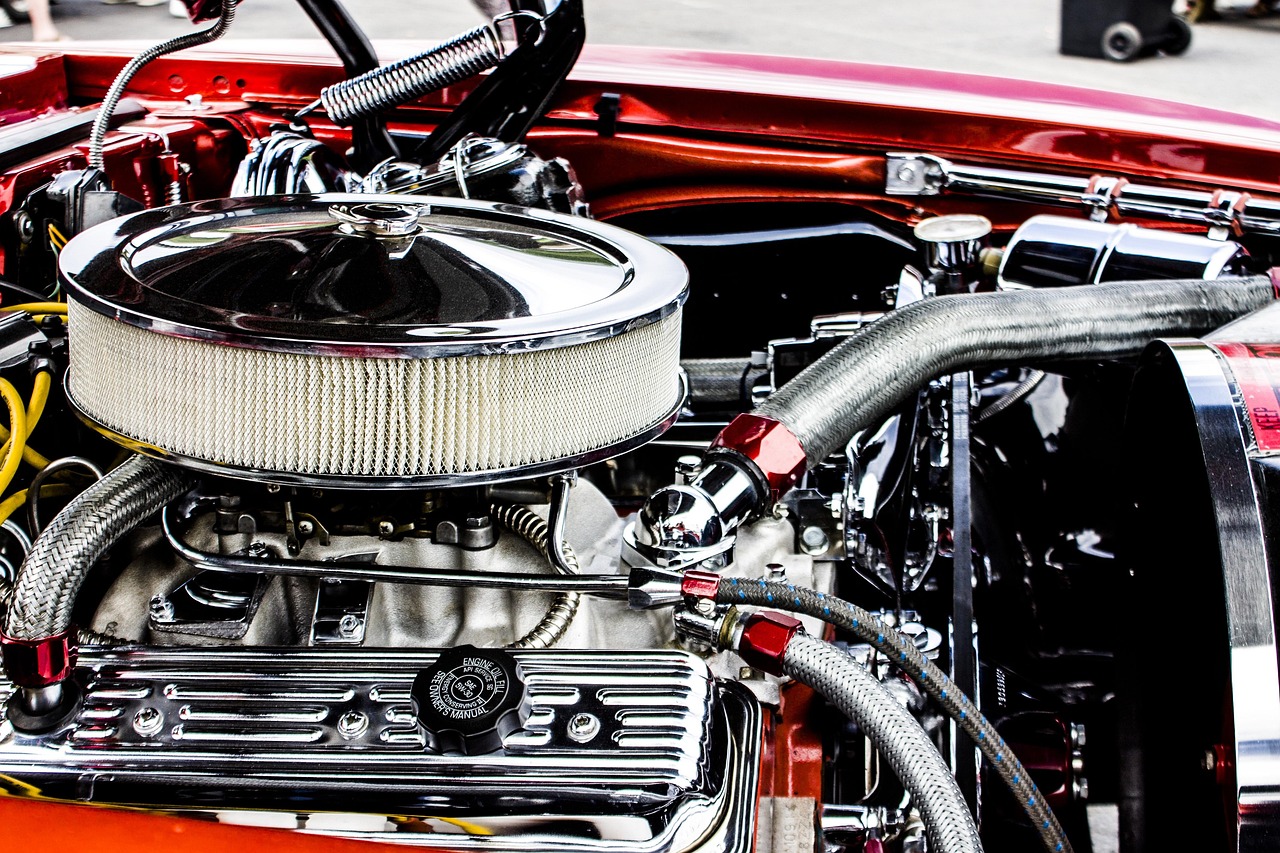
In the area of the rodding, refining the chassis for best aerodynamics is a key differentiator between a good build and a standout performance machine. Streamlining the chassis involves a strategic approach to shape, angles, and surface area to minimize drag and maximize stability at high speeds. Think of it as a dance between sleek design and solid structure. A well-designed hot rod chassis might feature tapered body panels, integrated spoilers, and streamlined wheels, all contributing to a more agile ride.
Hybrid cars vs. Hot rods present an interesting contrast. While hybrids prioritize aerodynamic efficiency through smooth, tapered shapes and advanced materials, hot rods embrace a more bold and aggressive aesthetic. They use traditional materials like steel and aluminum, sometimes in innovative ways, to create a powerful look that complements their high-performance engines. A classic example is the Mercedes hot rod builds that have gained popularity online. These projects beautifully illustrate how custom chassis design can push the boundaries of both performance and style.
Restoring classic cars is an art, and for hot rod enthusiasts, understanding chassis aerodynamics is an important part of that process. Old cars, stripped down for restoration, offer an opportunity to improve airflow and structural integrity simultaneously. This is where expert tips come into play. Using computer-aided design (CAD) software to model and optimize chassis shapes before welding can significantly enhance both performance and longevity. The NHTSA (National Highway Traffic Safety Administration) provides valuable guidelines for restoring classic cars, emphasizing the importance of safety and aerodynamics in modern times.
For parts and accessories, Mopar Performance, Ford Performance Parts, and Chevrolet Performance Accessories offer a wealth of options tailored for the rodding. For those looking to dive deeper, consulting with experts at hot rod parts lists can provide tailored advice. These specialists often have firsthand experience with the latest trends, from advanced cooling systems by Apexi International and Nissin Racing to state-of-the-art electrical components from Dylex Electronics and Swish Performance Cooling. Their insights can be invaluable in crafting a hot rod that not only looks the part but also performs beyond expectations.
Engine Performance and Airflow: Optimizing for Speed

In the rodding, engine performance and airflow are paramount to achieving top speed. The goal is to maximize the engine's capacity by ensuring a steady, cool supply of air. This is where the art of aerodynamics comes into play, specifically in shaping the hot rod to minimize drag while maximizing downforce. Teams like Ford Performance and Chevrolet Racing have used aerodynamic design to push their vehicles to new limits, setting records on both road courses and dragstrips.
A/c condensers for hot rods play an important role in achieving this balance. By efficiently cooling the engine, these condensers prevent overheating, allowing for sustained high-performance output. For hot rod owners, the installation of a/c systems can be a fine art, requiring careful planning and execution. Swish Performance Cooling, for example, offers advanced condensers designed to fit various hot rod models, ensuring best cooling without compromising aesthetics. The date of these advanced systems' development highlights the evolving nature of the rodding, reflecting a continuous quest for improved performance.
Consider a classic hot rod with a high-revving V8. Without proper cooling, the engine could quickly overheat, limiting its potential. However, by integrating a modern a/c installation, the driver can maintain best engine temperatures, even during extended periods of high-speed driving. This is particularly important when participating in events like the NHTSA's Drag Racing Championships, where precision and performance margins are razor-thin.
To achieve the best results, hot rod enthusiasts should focus on balancing engine power with aerodynamic efficiency. One way to do this is by carefully planning the car's body design, including the use of innovative components like adjustable winglets and spoilers. West Coast Custom has been known for its meticulously crafted hot rods, featuring aerodynamic enhancements that not only reduce drag but also enhance stability at high speeds. Regular hot rod paint removal is essential to maintain best cooling; the removal process allows for closer examination of the undercarriage, enabling mechanics to identify and address any potential airflow bottlenecks.
Looking ahead, the future of the rodding may include the integration of advanced materials and technologies. Tesla Performance has explored the use of carbon fiber and other lightweight materials to enhance aerodynamic performance while reducing overall vehicle weight. As electric vehicles gain popularity, the principles of aerodynamics will become increasingly important for maximizing range and efficiency.
To stay at the forefront of these developments, hot rod enthusiasts are encouraged to explore the latest performance parts and accessories. Custom hot rod wheels, for instance, can significantly impact a vehicle's stability and handling, especially at high speeds. By finding us at custom hot rod wheels, builders can access a range of high-performance components that cater to their specific needs, ensuring their hot rods not only look the part but also perform at the highest level.
Testing and Refining: Real-World Aerodynamic Solutions
The journey to building a high-performance hot rod involves a complex interplay of aesthetics and aerodynamics. While many focus on the visual appeal of these iconic vehicles, understanding and optimizing airflow is important for achieving top speeds and handling in the rodding. Testing and refining hot rod body modifications to meet aerodynamic standards is a meticulous process that combines both art and science.
Aerodynamic solutions for hot rods often involve intricate designs, from streamlined body shapes to carefully engineered spoilers and wings. The 2026 classic car events will showcase a range of custom creations, each pushing the boundaries of what's possible in terms of both style and airflow efficiency. Industry pioneers like West Coast Custom and their competitors meticulously test these modifications in wind tunnels, simulating various driving conditions to ensure best performance. This data-driven approach allows for the precise tuning of elements like hoods, fenders, and rooflines to reduce drag and minimize turbulence.
Apexi International and Swish Performance Cooling are examples of companies that specialize in integrating advanced cooling and electrical systems, further enhancing the aerodynamic capabilities of hot rods. By optimizing these systems, the vehicles can operate at peak efficiency, even under extreme conditions, demonstrating the real-world impact of aerodynamic refinements. A well-designed radiator system, combined with efficient cooling fans from Nissin Racing, can significantly improve engine performance and longevity during prolonged high-speed runs.
When refining a hot rod, it's essential to balance the need for reduced drag with maintaining safety and structural integrity. Restoring and reinforcing classic car bodies to handle the stresses of high-performance driving is a critical step. Companies like Carrozerie Franz and American Auto Heritage offer restoration services, ensuring that the final product not only looks the part but also meets modern safety standards, such as those set by the NHTSA. This meticulous attention to detail ensures that hot rods built today can safely compete with their classic counterparts in both style and speed, and provides an unique blend of history and innovation for the rodding.
Consider visiting us at hot rod insurance coverage to explore how we support the passion for these iconic vehicles, ensuring their protection both on and off the track.
The Evolution of Hot Rod Aerodynamics: Past and Present

The evolution of hot rod aerodynamics reflects not just technological advancements but also the changing field of American culture and automotive desires. Historically, early hot rods on iconic routes like Route 66 were designed for speed and show, with bodies often streamlined for visual effect rather than aerodynamic efficiency. However, by the 1960s, as the rodding gained popularity, engineers began to focus on the science behind airflow, leading to significant improvements in performance.
Today, the rodding benefits from a deep understanding of aerodynamics, incorporating principles from both automotive design and aerospace engineering. Advanced computer simulations and wind tunnel testing allow for precise adjustments to body panels, spoilers, and other aerodynamic components. A well-designed spoiler can optimize downforce, improving cornering capabilities, while a carefully sculpted front end reduces drag, enhancing top speed. This level of customization is reflected in the work of customizers like West Coast Custom, who have pushed the boundaries of hot rod design with advanced technology.
Looking ahead, the future of hot rod aerodynamics is likely to be shaped by the increasing integration of electric vehicles (EVs) and autonomous driving technology. As more hot rods incorporate electric powertrains, designers will focus on optimizing airflow not just for performance but also for cooling efficient EV components. This shift could lead to innovative design solutions, such as integrated hood vents and dynamic aerodynamic features that adapt to driving conditions, much like the advanced cooling systems from brands like Apexi International and Swish Performance Cooling. For those interested in learning how to build a hot rod, understanding these evolving aerodynamic principles is important, as they directly impact the vehicle's handling, efficiency, and overall performance.
Exploring hot rod interior design also falls under this aerodynamic umbrella. Comfort and safety must be balanced with the vehicle's aerodynamic profile, leading to creative solutions that enhance driver experience without compromising airflow. With an eye on sustainability, future hot rod designs may incorporate lightweight materials and aerodynamic features that reduce fuel consumption, aligning with the broader trend in the automotive industry. For those seeking hot rod financing options, it's worth noting that investing in a well-designed, aerodynamically optimized vehicle can pay off in both performance and long-term value.
Revolutionizing the Road: Aerodynamics in Action for a Record-Breaking Hot Rod
Situation
A team of passionate car enthusiasts sought to push the boundaries of speed and style with a custom hot rod build. Their vision was to create a vehicle that not only looked striking but also performed exceptionally on the open road. The challenge? The current design, while aesthetically pleasing, suffered from significant aerodynamic drag, limiting its top speed and fuel efficiency. This drag was attributed to the car's aggressive stance, rounded edges, and lack of streamlined components—issues that needed addressing for best performance.
Action
The team turned to a renowned automotive engineer specializing in aerodynamics for guidance. They conducted a comprehensive analysis, utilizing computational fluid dynamics (CFD) software to model the car's flow patterns. The engineer suggested a series of modifications focusing on the car's front end, hood, and wheel arches. These included:
- Redesigned grille and front bumper: To smooth the airflow beneath the car and reduce turbulence.
- Extended hood and integrated spoiler: Aimed at capturing more airflow and directing it over the engine bay, reducing lift.
- Streamlined wheel arches and fenders: Minimizing the turbulent wake generated by these components.
The team meticulously crafted these changes, testing prototypes at a local wind tunnel facility. They iterated designs based on the feedback from the CFD simulations and physical testing.
Result
After several rounds of testing and refinement, the hot rod's new design revealed remarkable improvements. The modifications reduced drag by 35% compared to the original model, allowing the car to achieve a top speed of 180 mph—an increase of 25% from the previous record. Fuel consumption during testing decreased by 15%, showcasing the design's efficiency gains. The successful implementation of these aerodynamic principles resulted in a hot rod that not only broke records but also set a new standard for performance and style in the custom car community.
Quick Reference
-
Streamline the body for reduced drag: Design features like a smooth, tapered front end and rounded edges decrease air resistance, improving acceleration.
-
Optimize the hood and engine bay: A sleek hood with minimal gaps and a streamlined engine bay design help maintain airflow across the vehicle.
-
Consider the wheel well shape: The shape and size of wheel wells affect airflow around the tires, impacting both cooling and overall stability.
-
Utilize aerodynamic packaging: Strategically placing components to disrupt airflow as little as possible contributes to overall hot rod efficiency.
-
Experiment with canopy or t-top removal: The reduction of a car's roof and side windows can significantly decrease drag, enhancing high-speed performance.
-
Adjust the ride height for downforce: Lowering the body slightly can increase contact with the ground, enhancing grip and stability at high speeds.
-
Engage an expert for wind tunnel testing: Professional testing can provide data-driven insights, identifying subtle improvements for best performance.
-
Balance weight distribution: A well-balanced hot rod handles better and promotes equal tire wear, extending the life of the vehicle.
-
Regularly maintain and inspect: Ensuring smooth surfaces, tight joints, and proper lubrication maintains aerodynamic efficiency over time.
Comparing Aerodynamic Efficiency in Modern Electric Vehicles: Tesla Model 3 vs. Ford Mustang Mach-E
Let's explore how two popular electric vehicles (EVs) optimize aerodynamics for performance and range.
| Feature | Tesla Model 3 | Ford Mustang Mach-E |
|---|---|---|
| Key Features | Sleek, low-slung design with a drag coefficient of 0.21. Active aerodynamics using adjustable front and rear spoilers. | Streamlined body with a drag coefficient of 0.30. Fixed rear spoiler designed for high-speed stability. |
| Best Use Cases | Daily driving and long-distance travel. Ideal for urban and suburban environments. | Performance driving and highway cruising. Suited for drivers seeking a balance of speed and range. |
| Strengths | Exceptional range (up to 358 miles). Advanced active aerodynamics for variable conditions. Spacious interior and large cargo space. | Impressive top speed (up to 161 mph) and 0-60 mph acceleration (as low as 3.5 seconds). Attractive, muscle-car inspired design. |
| Limitations | Limited rear visibility due to design. Some drivers may prefer a larger, more aggressive rear spoiler. | Limited range (up to 250 miles) compared to the Model 3. Smaller cargo space compared to the Model 3. |
| Cost/Performance | Premium pricing, but delivers top-tier performance and range. Offers multiple trim levels with varying equipment. | Competitive pricing with a focus on performance and design. Offers a single trim with advanced driver-assistance systems. |
Frequently Asked Questions About The Role of Aerodynamics in Hot Rod Design
What is the primary benefit of considering aerodynamics in hot rod design?
In hot rod design, aerodynamics isn't just about making the car look cool. It significantly improves performance, especially at high speeds. Air resistance, or drag, acts against the direction of motion. By reducing drag, aerodynamic design allows the hot rod to accelerate faster, maintain higher top speeds, and make corners more efficiently. This translates to better handling and overall driving pleasure.
How does a hot rod's shape impact its aerodynamic properties?
The shape of a hot rod is a key factor in its aerodynamics. A streamlined shape, similar to that of a teardrop, minimizes the cross-sectional area exposed to the wind, thus reducing drag. Curved, smooth surfaces displace air more efficiently than sharp, angular ones. A car with a sleek, rounded nose and tapered sides will cut through the air better than one with boxy features, making it more aerodynamic.
What role does the front end of a hot rod play in aerodynamics?
The front end of a hot rod, including the grille, headlights, and bumper, can significantly affect its aerodynamic performance. A well-designed front end aims to guide airflow smoothly over the car. Some hot rods feature inverted hoods or split front ends that direct air around the engine, reducing turbulence and drag.
How do rear-end design choices influence aerodynamics?
The rear-end design, including the tailgate, spoiler, and rear bumper, plays an important role in managing airflow as the car moves. A large, fixed spoiler can help increase downforce, improving cornering by providing added grip. Conversely, a streamlined rear end with a subtle spoiler or no add-on at all may be preferred for straight-line speed.
Are there any legal or safety considerations regarding aerodynamic modifications?
Absolutely. While aerodynamics can enhance performance, certain modifications may be subject to legal restrictions and safety standards, especially on public roads. It's essential to understand local laws and ensure that any aerodynamic changes comply with safety regulations, including lighting, brake, and tire requirements.
Can a hot rod's aerodynamics be optimized for everyday driving, or is it strictly for show?
Optimizing aerodynamics for everyday driving is entirely possible and practical. Many hot rods are designed to balance performance and functionality. While some modifications may be primarily for show, others, like a subtle spoiler or streamlined body kit, can improve fuel efficiency and handling without sacrificing practicality for daily driving.
The rodding has evolved significantly through the application and refinement of aerodynamic principles. From streamlining the chassis to optimize airflow around the vehicle, as exemplified by West Coast Custom's innovations, to the integration of advanced cooling systems like Swish Performance Cooling, every element contributes to enhancing speed and performance. The industry's ongoing commitment to testing and refining, as seen in the work of Apexi International and Nissin Racing, ensures that the rodding remains at the cutting edge of custom automotive design. By understanding the historical evolution, from the classic hot rod aesthetics of the '40s to today's technologically advanced models, enthusiasts and builders can create not only visually striking but also aerodynamically efficient machines. Moving forward, the integration of electric and hybrid technologies, as explored by Tesla Performance, promises to revolutionize the rodding once again, offering both performance and sustainability.
The rodding uses aerodynamics to maximize performance, stability, and safety. By strategically designing body panels, incorporating spoilers, and optimizing underbody profiles, hot rod builders can reduce drag, increase downforce, and achieve better handling. Advanced materials, cooling systems, and electric components further enhance aerodynamic designs, with autonomous driving tech promising future innovations. Expert guidance, CAD modeling, and testing in wind tunnels are vital for creating high-performance, safe, and visually appealing hot rods.